
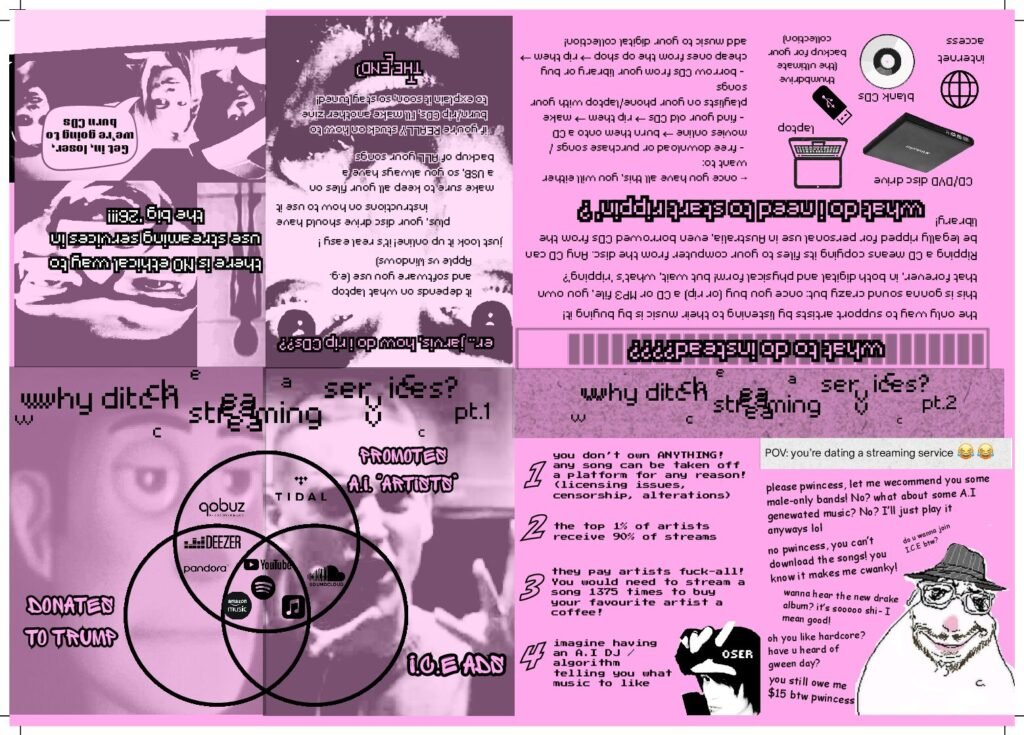
Hello hello! I’ve revived my blog to talk about a project I worked on for a uni assignment. For my BCM114 subject, I was tasked with creating a digital artifact (DA) that works towards one of the UN Sustainable Development Goals.
One of the goals stood out from the others to me: responsible consumption and production. We had 12 framing themes to pick from to help inspire our DA. Collecting physical media is a big passion of mine, and I’ve always loved the idea of D.I.Y projects and learning something new, so when I saw ‘Exploring Tangible Media: Textiles, Objects, and Fabrication’ listed as a framing theme, I knew it was right for me.
So, with all that in mind, learning to make zines seemed like a perfect DA!
Zines are an awesome way to express big ideas across 8 small pages, and they often use humour, cartoons, or enticing artwork to make the reading experience as light as possible, even when talking about heavy ideas. My zine is about why we should boycott streaming as a concept and switch back to physical media. So strap in, because I’m about to detail the whole process. I learned a lot about zines, Canva, digital design, and prototyping, and I bet you will too!
Key Moments
When creating something new, you’re bound to learn a lot and make a few mistakes along the way. I want to highlight a few key moments that really shaped my final product and taught me something about the creative process.
Key moment 1: One of the most useful tools for me was learning about the Design Thinking Process.
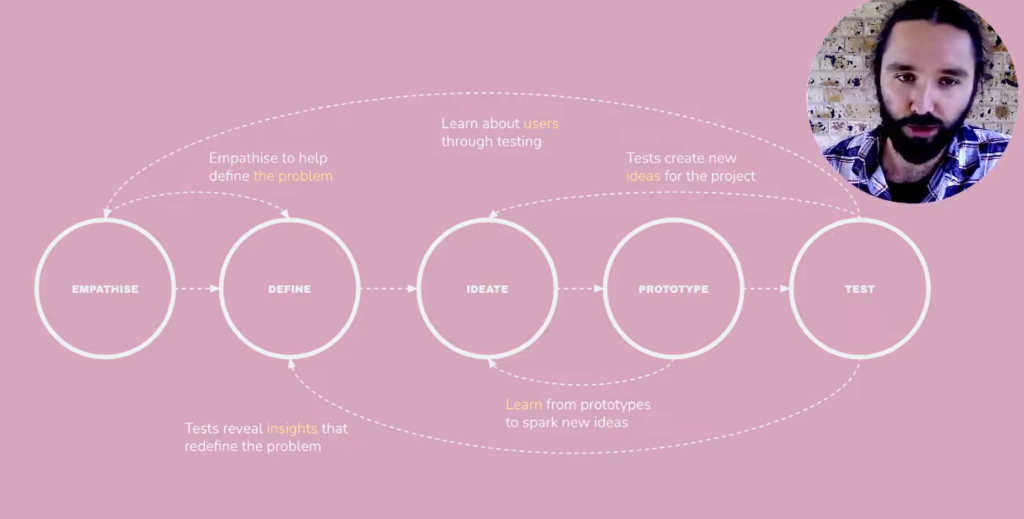
It’s so useful because it breaks down the process into simpler steps to make it feel more achievable. In the context of my DA, I initially wanted to make a whole bunch of zines, and had a whole range of ideas for what they could be about. It was actually really hard to narrow it down. Looking at my ideas and thinking about what would matter to a general audience the most, I started empathising with how hard it is to have ownership of media these days, and through that, I realised the problem is that most media is consumed online and protected by digital licenses.
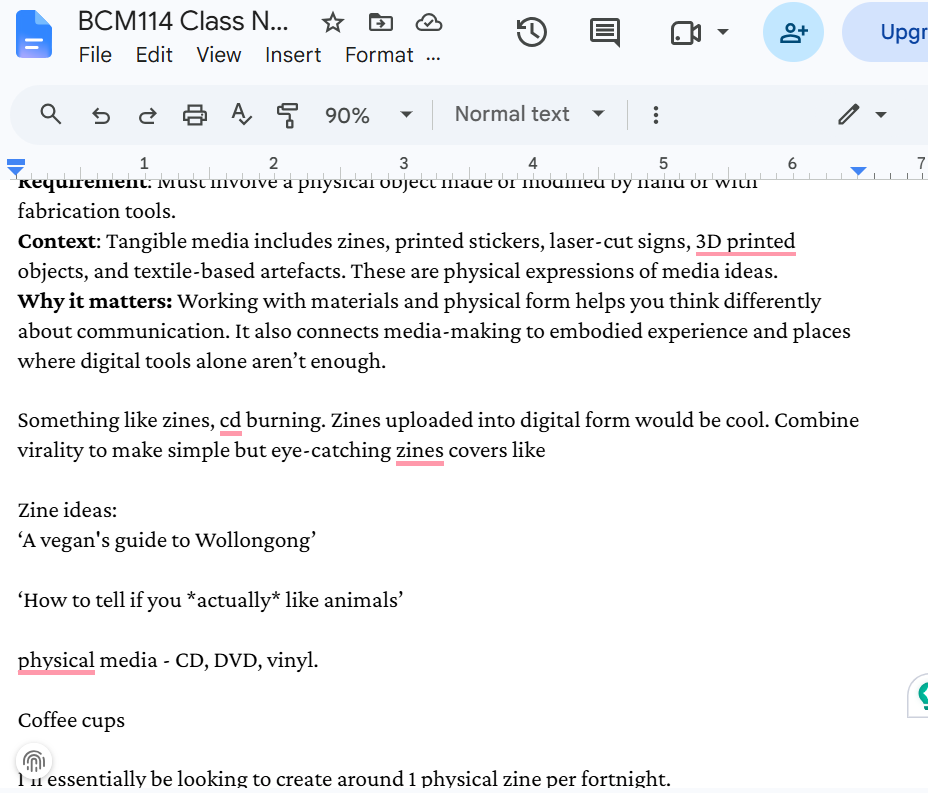
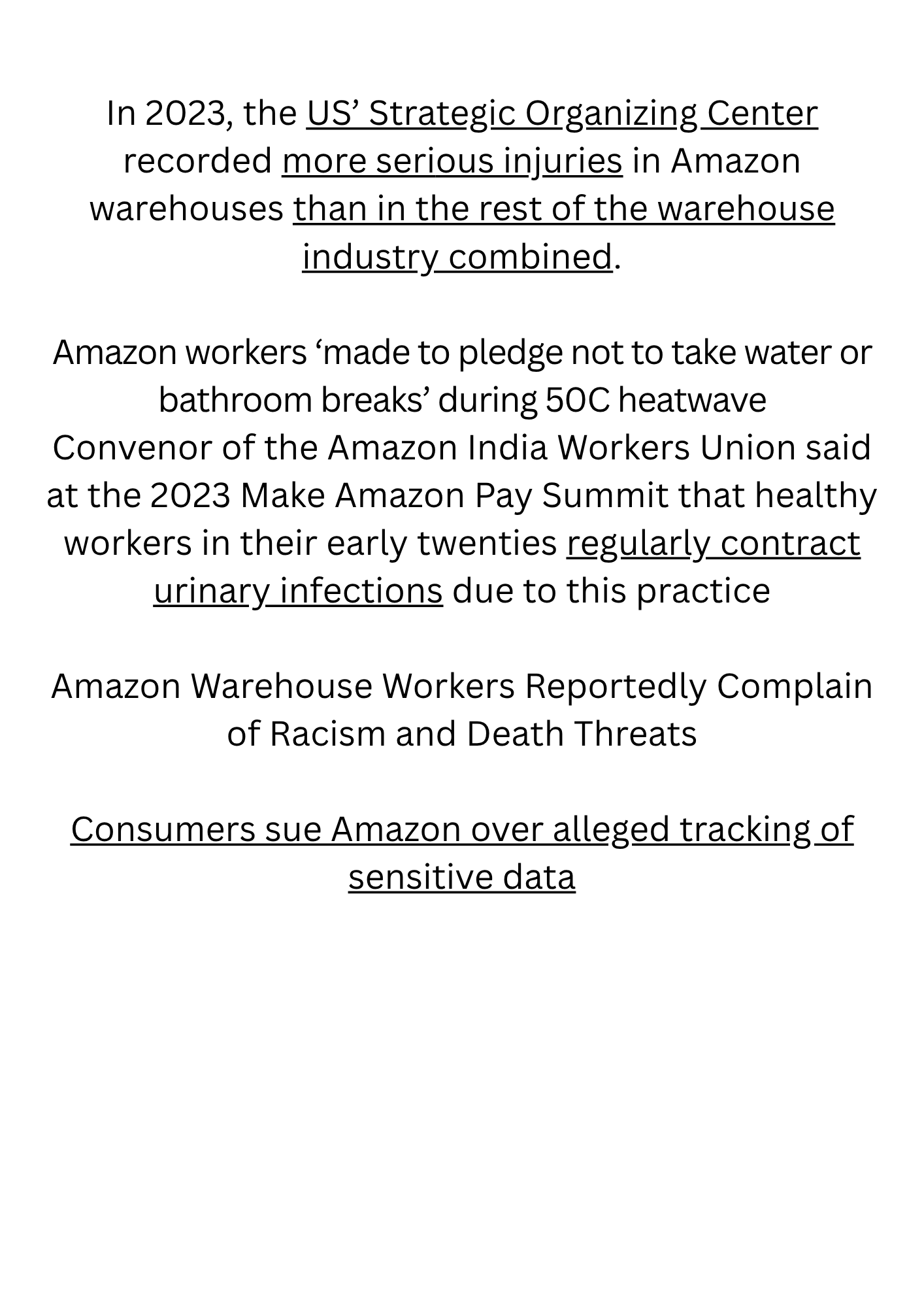
At first, Amazon was the focal point of my zine, as I believe they’re one of the most unethically run companies in the world, and it has direct ties to far-right politicians. Here is my first draft on Canva, where I just started by collecting facts about Amazon:
However, in the ideation phase, I began to realise I wanted to talk about more than just one company. I wanted my readers to grapple with something bigger: that streaming is fundamentally unethical as a practice, no matter where your money goes. My thought process was like this: If my frame is tangible media, and my goal is to encourage people to consume and produce responsibly, then why not encourage people to make their own tangible media, saving them money and saving the planet! I thought it was a really fun way to weave my framing theme into my DA, and it helped motivate me and get excited about the project!
So I began working on a zine about why you should ditch streaming services.
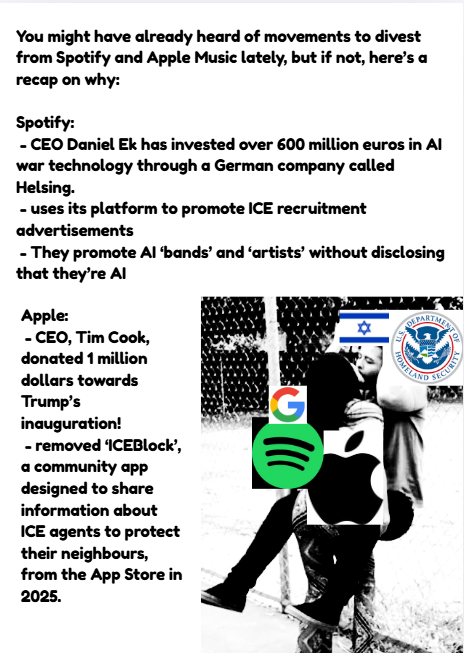
Key moment 2: Prototyping, framing, observing
Having decided what my zine would be about, I now needed to figure out: what kind of art style/s I was going to use, the tone of the writing, how to fit it all in 8 mini pages, and how to actually make the darn thing! Here’s my LinkedIn post that documents my process of making the prototype.
We had a peer-reviewing session to test our prototypes in class.
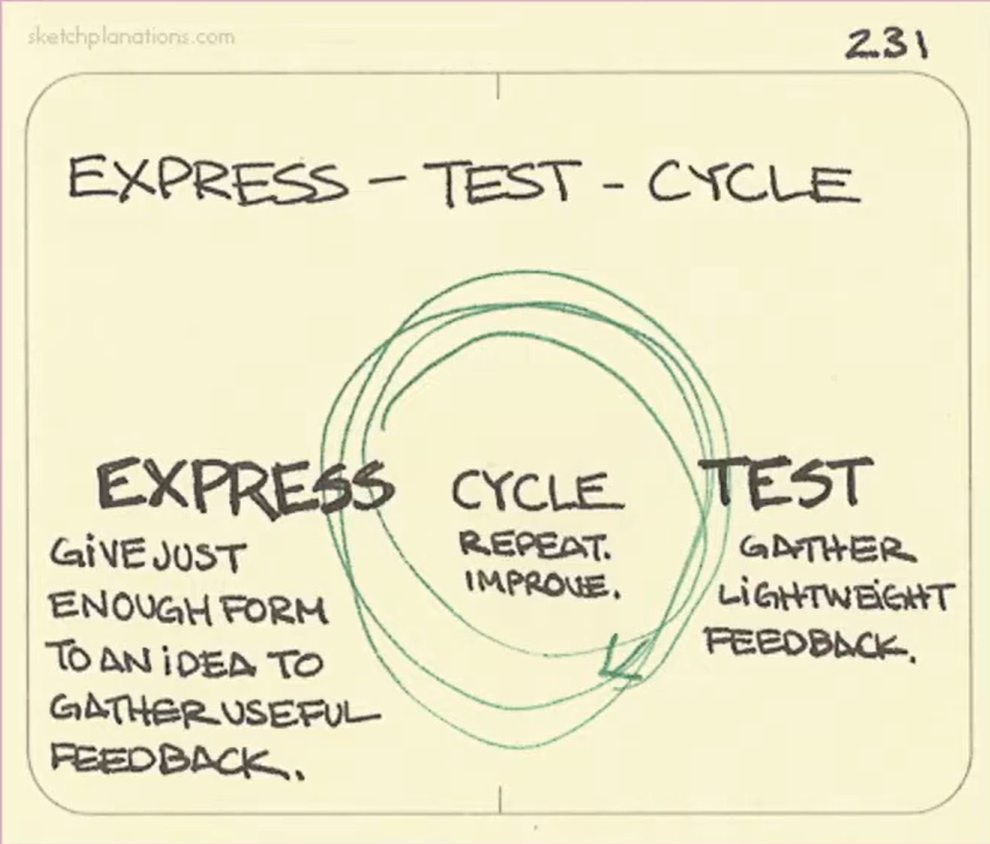
We worked in pairs and gave each other feedback on our DAs, and it was incredibly useful to get some constructive criticism from a classmate. One of the most helpful bits of feedback that I received from a classmate was to incorporate lots of pictures into the zine because if a page has mostly text, they are less likely to be engaged and read the whole thing. So I kind of went from this:
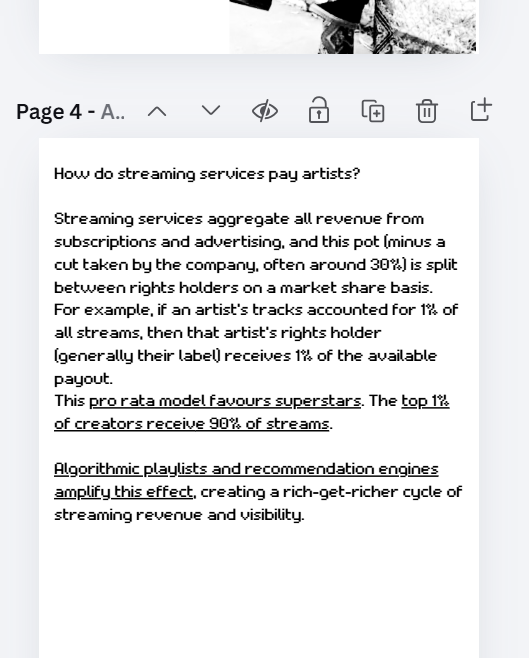
To this:
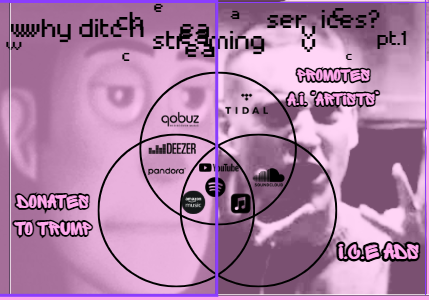
And part of how I got there was by using a ‘frame’, defined as: choosing how to see a situation and finding connections within complex information to identify your central organising story. I found this Instagram page @craftordiy.art, and their aesthetic was very similar to what I wanted for my project.
Being able to observe a similar project to mine helped me understand how to reach my audience better and how to decide who my audience was. They showed my how to format things in a way that is informative but pleasing to look at. After seeing these zines, I refined the definition of my audience: 16-25, uni students, music and movie lovers, artists, and I also created a clear goal: to convert one person from a streaming service to physical media (e.g. cancel a streaming subscription).
Peer discussion
The next part of the assignment was to do our peer discussion. It was a really fun and engaging process to share our wins and failures together. My group of four was put together because we all shared a common UN goal or framing theme. Charlotte and Maya both chose tangible media as their theme; their DAs were an upcycled top and a zine, respectively, and Sara picked responsible production and consumption as her goal, also using Canva to design a flyer with information about environmental conservation. In this discussion, we shared our journeys, the things that worked, the things that didn’t, and what we would have done better if we could do it all again.
Key Takeaways
One of the key takeaways from this whole experience is that it’s best to start prototyping as soon as possible once you have a solid idea. It’s so easy to get caught up in having these grand ideas and being swept away with all the possibilities; you can easily forget the limitations of your project. In the context of my DA, I wanted to make a zine that explained why streaming services were unethical to use and also showed my audience how to avoid them without losing access to their favourite media. It wasn’t until I started creating the zine that I realised I wouldn’t really have room to properly explain the process of ripping and burning CDs, and how to make playlists from the files.
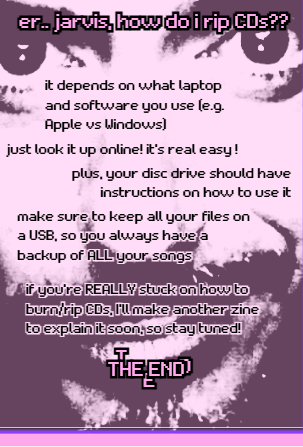
Another thing I learned in the process of prototyping is that things will inevitably go wrong, and that’s ok. By prototyping early, some of those things go wrong much earlier in the process, and that’s actually a good thing because it allows you to account for it in the next step of ideation. An example of this that I ran into was simply in making my zine template. I’m not that experienced with Canva, so there were a few issues with my formatting.
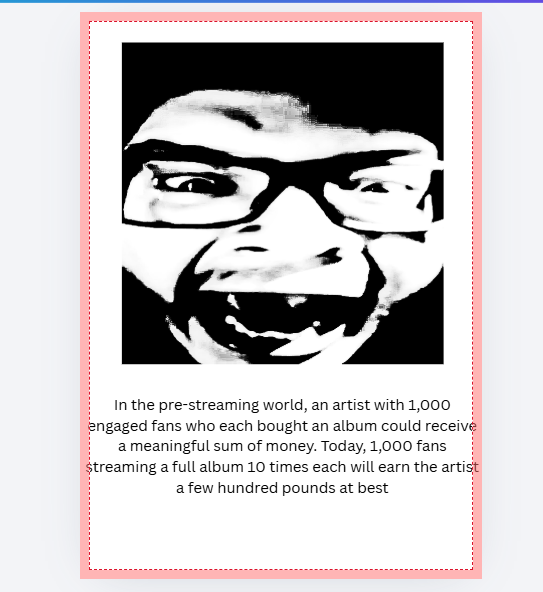
This red line around the page was driving me nuts! I wanted to make full use of the space, and didn’t understand why I couldn’t stretch things to the edges, because usually Canva accounts for print bleeding. So I turned off the ‘danger zone detection’ to get rid of the red lines. I came to regret it when I did my first printing, and all my text was being cut off at the edges.
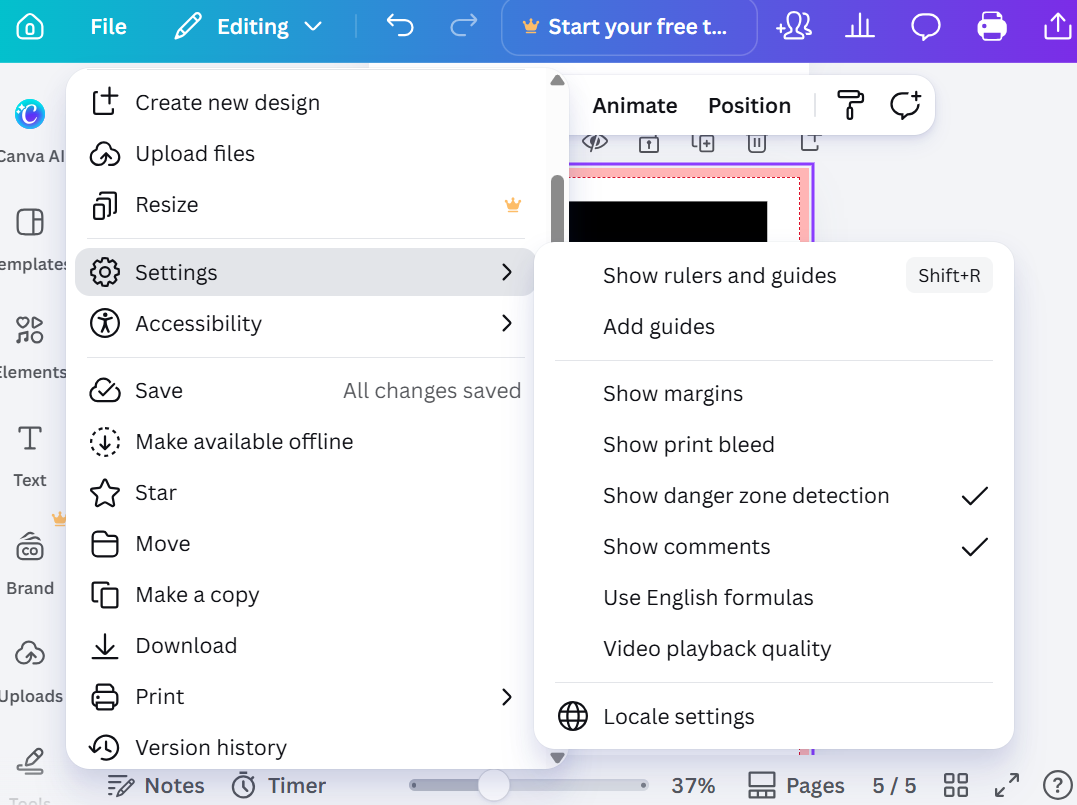
So ultimately I just decided to turn it back on, as well as the print bleed margin, and keep my design inside both, just to be safe.
In the end, I was pretty happy with how my project turned out, and I think it satisfied my SDG goal to the extent that a zine can. I was able to thoroughly explain why I think streaming services aren’t an ethical choice for consumers using my own artistic style and tone of humour. I think I offered my audience a real reason to look into alternatives and the basic information on where to look.
If I could offer any advice to someone starting a similar project, ot would be to incorporate something that you are genuinely passionate about into the project. I think inspiration just flows so much better when you’ve got a real interest in what you’re working on. If you’re interested in the research you’re doing, it’s more likely someone else will be! Passion is contagious, and I felt constantly inspired by my classmates' DA posts, where I could tell there was some real passion behind their ideas.